2010s Emo Revival
A decade where the ghosts of the Black Parade marched back into the mainstream spotlight, their eyeliner smudged but their voices louder than ever.

The 2010s Emo Revival was a cultural phenomenon where a new generation of listeners rediscovered and redefined the emotional rock sound pioneered by bands like My Chemical Romance in the early 2000s. While MCR themselves had disbanded by the start of the decade, their influence became the bedrock upon which this resurgence was built. This era saw fans embracing the aesthetic and sonic DNA of the band's most iconic work, transforming it from a niche subculture into a mainstream force once again.
- Key Catalyst
- My Chemical Romance
- Primary Era
- 2010-2019
- Cultural Shift
- Nostalgia-driven rediscovery
- Legacy Status
- Foundational influence on modern pop-punk and alternative rock
Lore & Background
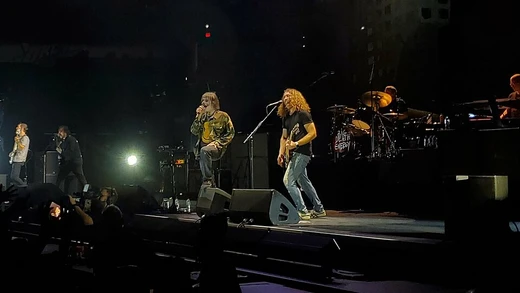
The movement gained undeniable momentum when the band members began dropping cryptic social media posts—a single black balloon, a shadowy photo of a practice space—culminating in their official reunion concert at the Shrine Expo Hall. That night, the air was thick with the scent of hairspray and decades-old grief as the opening notes of 'The End.' sent a shockwave through the crowd. It wasn't just a show; it was a séance, proving that the bond between the band and their fanbase had only deepened during years of silence. The revival validated that emotional expression in rock music wasn't just timeless—it was necessary, ensuring that the stories told on albums like 'Three Cheers' and 'The Black Parade' would continue to find new homes in the hearts of listeners, whether they were discovering them for the first time or the hundredth.
In Their Own Story
In a dimly lit basement venue, the air thick with the smell of cheap beer and old sweat, a crowd of teenagers wearing striped shirts and faded vintage band tees pressed together around a single speaker. As the opening chords of 'Welcome to the Black Parade' began to play, the room didn't just cheer; it erupted into a collective catharsis. Strangers locked hands, knuckles white, eyes squeezed shut against the sting of recognition. A girl in the front row mouthed every word, tears cutting tracks through her smudged eyeliner, while a boy in the back let out a sob he'd been holding for years. United by a melody that had traveled through time—from a 2006 stadium to this sticky-floored basement—they all sang along, not just to remember, but to heal.
Reader's Guide
The decade began with a quiet but steady undercurrent as streaming services allowed new listeners to access the band's discography without the barriers of physical media ownership. This accessibility sparked a grassroots movement where online communities formed around shared appreciation for the band's theatrical storytelling and complex musical arrangements. By the mid-2010s, this underground enthusiasm had bubbled up into mainstream visibility. Fashion trends began to mirror the early 2000s aesthetic, with makeup and clothing styles directly inspired by the band's iconic looks becoming staples in youth culture. The music industry took notice as new artists cited the group as a primary influence, blending their emotional lyrics with modern production techniques. The era reached its zenith when the band officially announced their reunion for a massive stadium tour. This event was not just a concert series but a cultural milestone that cemented their legacy and proved the enduring power of their music. The 2010s ultimately served as a bridge, connecting the original fanbase with a new generation while securing the group's place in rock history.
Did You Know?
- The revival was significantly fueled by Tumblr and Twitter, where fans posted grainy GIFs of Gerard Way's onstage meltdowns and shared personal stories of how 'The Light Behind Your Eyes' pulled them through suicide atte
- Many modern pop-punk and alternative bands—like Waterparks, Creeper, and Palaye Royale—released songs that were direct homages to MCR's theatrical bombast, complete with spoken-word breakdowns and choir-like choruses.
- The reunion tour in 2019 was one of the most anticipated rock events of the decade: tickets for the Los Angeles show sold out in under three minutes, crashing the ticketing website and leaving thousands of fans refreshin
More in Eras & Legacy History
Elsewhere in the My Chemical Romance universe
Spotted an error? Know more?
This is a living reference — every entry is fact-audited, and reader corrections feed straight into our audit queue. Suggest an edit · See this site's audit record