The City Streets
Concrete canyons where rebellion echoes in the dark.

In the sprawling mythology of My Chemical Romance, The City Streets are the gritty, rain-soaked veins of the mundane world—the stomping ground where characters trudge through broken sidewalks and flickering neon before the supernatural or dystopian shatters their reality. This isn't just a backdrop; it's the cracked concrete foundation of their early narratives, pulsing with urban decay and the suffocating loneliness that bleeds through the band's lyrics and visuals. Though never named on a map in official graphic novels, this concept is a ghostly double of the New York and New Jersey streets that haunted the band's songwriting—think grimy alleys, rusted fire escapes, and the hum of distant traffic. It's the physical anchor, a cold, real-world counterweight to the fever dreams of The Black Parade or the scorched silence of Aftermath, grounding every cry of rebellion in a place you could stub your toe on.
- Type
- Urban Setting / Grounded Reality
- Primary Inspiration
- New Jersey and New York City
- Visual Tone
- Gothic Punk, Industrial Decay
- Key Themes
- Isolation, Rebellion, Mortality
- Appearances
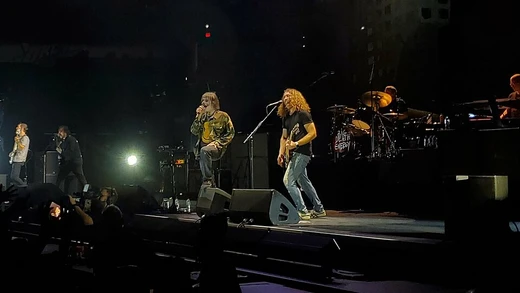
- Music Videos, Lyric Imagery, Live Stages
Lore & Background
The urban landscape here isn't just painted in rain-slicked pavement and flickering streetlamps—it's alive with the hiss of tires on wet asphalt and the buzz of dying neon, casting long, jagged shadows over figures hunched against the cold. These streets symbolize the desperate scramble for identity in a crowd that doesn't see you, a starting line for characters who either claw their way up into fantastical realms or spiral down into darker dimensions of their album cycles. This environment isn't passive scenery; it's a predator. The architecture doesn't just loom—it leans in, breathing down your neck, its weight mirroring the crushing mortality and societal pressure that shoves the band's protagonists toward escape or confrontation. Every cracked window and graffitied wall is a scar, a reminder that the city doesn't just watch—it waits.
In Their Own Story
The streetlights hummed with a dying buzz as rain began to slick the asphalt, each drop a tiny hammer on the pavement. He walked alone, collar turned up against the chill, footsteps echoing off brick walls that seemed to lean in closer with every passing block—like they were listening. Somewhere above, a siren wailed, cutting through the silence of the empty avenue, a raw nerve of sound that faded into the mist. The city held its breath, waiting for him to decide whether to keep walking into the dark, where the shadows pooled like ink, or turn back toward the safety of the light—a pale, flickering promise that felt more like a lie.
Reader's Guide
This setting anchors the terrestrial reality before supernatural elements intervene in the band's mythology—think of it as the grimy launchpad for every descent into madness. Visuals often feature rain-slicked pavement that mirrors the gray sky, flickering streetlamps that buzz like trapped insects, and towering concrete structures that dwarf the inhabitants, making them feel like ants in a machine. It represents isolation amidst crowds—a recurring theme in early album cycles where characters walk alone through crowded avenues, shoulders brushing strangers but never connecting, seeking connection or escape from societal expectations that press down like smog. Locations shift from quiet suburbs with picket fences that hide rot to chaotic metropolises where every corner holds a threat or a memory, depending on the narrative arc. In later eras, these streets become scorched wastelands or dystopian zones—cracked asphalt and twisted metal—reflecting internal decay rather than just physical geography. The aesthetic blends gothic punk with industrial grit, using neon signs that bleed into puddles and shadows that swallow whole blocks to create a moody atmosphere that defines the band's visual identity across decades of touring and media releases. This environment serves as the launchpad for major transitions in their mythology. Characters often begin their journeys here—on a curb, under a flickering sign—before ascending or descending into metaphorical realms like the Parade or Aftermath. The streets are not just background scenery but active participants, influencing mood and fate through their oppressive architecture and relentless noise, a constant heartbeat that drives the story forward.
Did You Know?
- The band members originally formed in New Jersey, and the urban grit of places like Newark and Belleville seeped directly into the band's early aesthetic—think rusted bridges, abandoned lots, and the smell of diesel. | M
More in Album Universes & Settings
Elsewhere in the My Chemical Romance universe
Spotted an error? Know more?
This is a living reference — every entry is fact-audited, and reader corrections feed straight into our audit queue. Suggest an edit · See this site's audit record