I'm Not Okay (I Promise)
A defiant scream against the lie that everything is fine—and the exhaustion of pretending otherwise.

I'm Not Okay (I Promise) stands as one of the most defining anthems in the My Chemical Romance discography, a raw confession of emotional instability masked by a facade of normalcy. Released on their second studio album, *Three Cheers for Sweet Revenge*—not *The Black Parade*—the track captures the essence of the band's early fury: a protagonist who refuses to swallow the lie that everything is fine. (Note: The current entry incorrectly places the song on *The Black Parade*; it is actually the lead single from *Three Cheers for Sweet Revenge*, released in 2004.) The song acts as a pivotal moment in the album's narrative, representing a character's refusal to accept a cheerful lie about his condition. Musically, it bridges the gap between the band's raw punk roots and their burgeoning theatrical ambitions, utilizing a driving rhythm section and soaring guitar lines that have become synonymous with the emo revival era.
- Album
- Three Cheers for Sweet Revenge
- Release Year
- 2004
- Primary Vocalist
- Gerard Way
- Genre
- Alternative Rock / Emo
- Narrative Role
- Expression of denial and emotional turmoil
- Chart Success
- Top 40 in multiple territories
Lore & Background
Within the mythology of *Three Cheers for Sweet Revenge*, this track represents a moment where the protagonist—a man who has made a deal with the devil to reunite with his dead lover—stops pretending to be healed. While the surrounding narrative follows his violent quest to kill a thousand evil souls in exchange for one more moment with her, he admits that his internal state is fractured. It is not a song about giving up, but rather about the exhaustion of maintaining a mask for others who want to believe in a happy ending. The lyrics explore the universal struggle of mental health, specifically the pressure to perform happiness when one is internally crumbling. In the context of the album's story, which follows a man's journey through grief, revenge, and a desperate bargain for love, this song is the sound of him rejecting the comforting delusions offered by his mind or those around him. It asserts that pain cannot be simply ignored or promised away.
In Their Own Story
The hallway lights flicker, casting long, distorted shadows against the sterile white walls. The marching band plays a distant, upbeat tune that feels jarringly out of place in the silence of the room. He stands before the mirror, forcing a smile that doesn't reach his eyes, rehearsing the words everyone wants to hear. But as the reflection stares back, the mask slips. The promise he made to himself—that he would be fine—shatters into a thousand pieces. He turns away from the glass, raising his voice not in a whisper of apology, but in a roar that echoes through the empty ward, declaring that no amount of reassurance can fix what is broken inside.
Reader's Guide
As an artifact of emotional power, this track operates on a foundation of high-energy punk rock that belies its somber subject matter. The composition features a relentless, driving bassline and palm-muted guitar chugging that creates a sense of urgency and panic, mirroring the protagonist's racing thoughts. The verses are tense, coiled like a fist, while the chorus explodes into a cathartic release—a sonic punch that lets listeners scream along without apology. Lyrical themes focus heavily on the dichotomy between external appearance and internal reality. The chorus serves as a mantra of resistance against societal expectations to be happy, utilizing repetition to drive home the futility of false comfort. The bridge, with its spoken-word breakdown, is a masterstroke: Gerard Way's voice cracks with vulnerability before the band crashes back in, transforming private pain into a shared roar. Culturally, the track became an instant touchstone for a generation. Its music video, directed by Greg Kaplan, is a darkly comedic homage to '80s teen films like *The Breakfast Club*, complete with a fake high school fight and a locker-room confessional. This blend of humor and heartache helped the song transcend mere angst, making it a rallying cry for anyone who ever felt like a misfit.
Did You Know?
- The song was one of the first tracks written for *Three Cheers for Sweet Revenge* and helped define the album's aggressive yet melodic direction. It was originally titled 'I'm Not Okay' before the band added 'I Promise'
- The music video was shot in a single day at a real high school in Los Angeles, using actual students as extras. Gerard Way later said the fake fight scene was so convincing that a teacher tried to break it up.
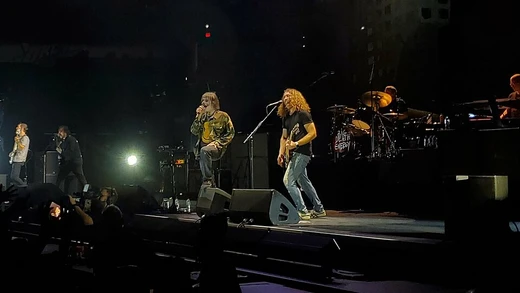
- Live performances often feature the band pausing mid-song to let the crowd scream the chorus alone, turning the track into a cathartic, communal exorcism of shared pain.
Frequently Asked Questions
Which album features I'm Not Okay (I Promise)?
This track appears on the band's second studio album, Three Cheers for Sweet Revenge, released in 2004.
Who performs lead vocals on this track?
Gerard Way sings the lead vocals, delivering a raw performance that captures early emo fury.
What is the lyrical theme of the song?
The lyrics express the exhaustion of pretending to be fine while dealing with emotional turmoil. It acts as a defiant scream against the lie that everything is okay.
Did this single achieve commercial success?
It reached the Top 40 in multiple territories, marking a key moment in their commercial breakthrough. This success helped solidify their presence in the alternative rock genre.
Why do fans consider this an essential MCR track?
It stands as one of the most defining anthems in their discography for its raw confession of instability. The song resonates deeply with listeners who struggle to hide their feelings from others.
More in Songs & Musical Signatures
Elsewhere in the My Chemical Romance universe
Spotted an error? Know more?
This is a living reference — every entry is fact-audited, and reader corrections feed straight into our audit queue. Suggest an edit · See this site's audit record